

Our researchers are searching for the key to keep men like Steve alive.
More than a decade ago, he was told his prostate cancer had spread to his spine. He's alive today because research didn't stand still. The next breakthrough is behind closed doors – your gift can help unlock it.
Give now
Your gift can help Australian researchers unlock better ways to detect and treat aggressive prostate cancer.

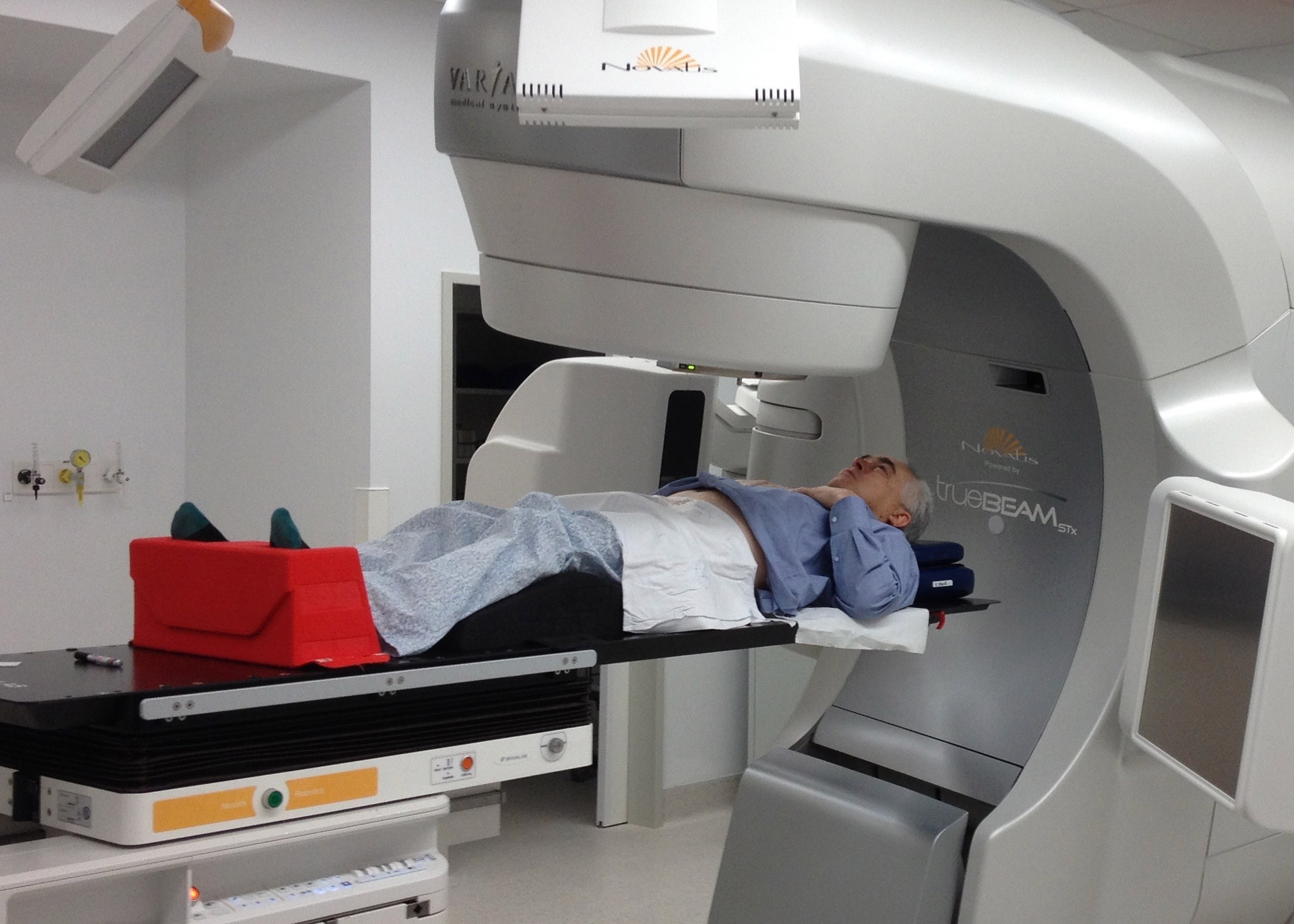
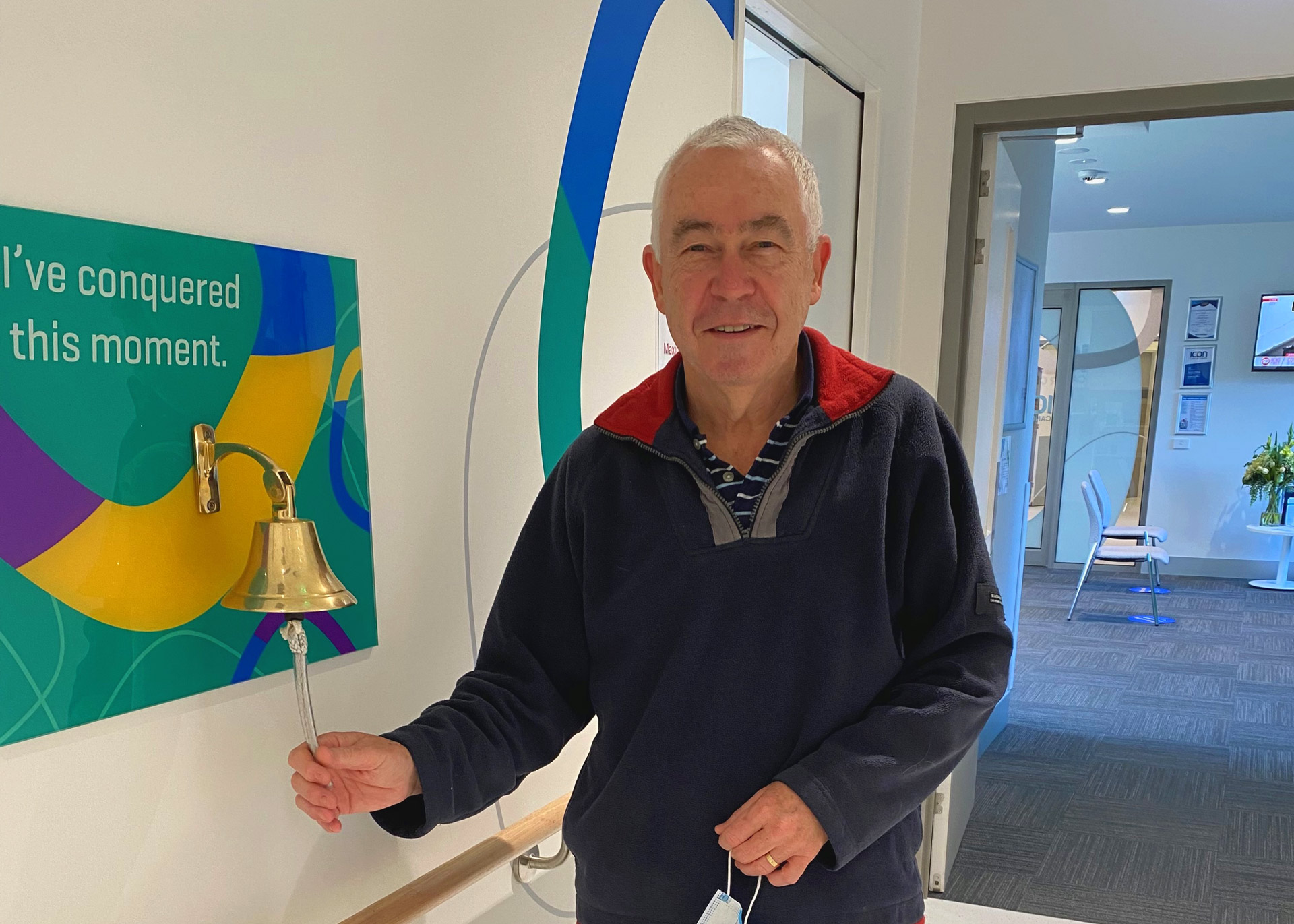
When Steve went to his GP about something completely unrelated, a routine blood test changed everything.
Within weeks, he was sitting in a specialist’s office hearing words nobody ever wants to hear:
“You have stage 4 prostate cancer.”
The cancer had already spread to his spine.
Steve was only in his fifties. His children were still teenagers. He thought about everything he might miss—their graduations, their weddings, meeting his grandchildren.
“I remember thinking about everything I was going to miss. I thought my time with them was over.”
But Steve’s story didn’t end there.
More than a decade later, he is still here.
Not because his cancer became less aggressive. Not because he was cured.
Steve is alive because researchers never stopped searching for better answers.
Hormone therapy, radiation therapy and chemotherapy have helped keep his cancer under control. Each treatment exists because researchers kept pushing forward, turning scientific discoveries into new options for people facing prostate cancer.
“If medical research had stopped in 2012, I wouldn’t be here today.”
But prostate cancer doesn’t stand still. Aggressive cancers can evolve and become resistant to treatments that once worked. When that happens, men can run out of options.
That’s why Australian researchers supported by PCFA are searching for entirely new ways to detect and target aggressive prostate cancer.
Using the extraordinary RaPID research platform, scientists can screen trillions of tiny protein fragments to identify promising biological targets. This work has already identified B7-H3 and GPC3—potential targets that could help unlock a new generation of precision treatments.
The next breakthrough could be waiting to be unlocked.
Steve has seen what research can achieve. Now, your gift can help researchers keep searching for the answers that today's treatments cannot provide.
Please give today and help unlock the next breakthrough in prostate cancer research.
When Steve went to his GP about something completely unrelated, a routine blood test changed everything.
Within weeks, he was sitting in a specialist’s office hearing words nobody ever wants to hear:
“You have stage 4 prostate cancer.”
The cancer had already spread to his spine.
Steve was only in his fifties. His children were still teenagers. He thought about everything he might miss—their graduations, their weddings, meeting his grandchildren.
“I remember thinking about everything I was going to miss. I thought my time with them was over.”
But Steve’s story didn’t end there.

$50
Can help identify new biological targets for detecting and destroying prostate cancer.

$125
Can help screen trillions of potential cancer-targeting peptides in days instead of years.

$250
Can help fast-track the discovery of new precision medicines for Australian men.
No man or his family should have to face the agony of a deadly prostate cancer diagnosis.
But the tragic reality is that nearly 4,000 Australian men lose their lives to the disease every year.

1 in 5 men are likely to be
diagnosed in their lifetime

Nearly 29,000 men are
diagnosed each year

11 men die each day
from
prostate cancer

Help unlock the next breakthrough
Your gift can help Australian researchers search for the biological “keys” that could unlock new ways to detect and treat aggressive prostate cancer.
Every gift helps researchers keep searching for better answers—so men like Steve can have more time with the people they love.


